
Why This Natural Blueberry Method Targets High Eye Pressure Daily?
Harvard research reveals a simple way to support the optic nerve and eye health. Learn how this natural method protects your vision.

Why Does Vision Keep Getting Worse Even With Treatment?
Imagine waking up one day and noticing that everything looks a little more blurry or dim than before. Small everyday things like reading the thermostat, recognizing faces from a distance, or driving at night start to become more difficult.
Many people over 50 experience this. At first, they think it’s just aging or that they need stronger glasses. But for many people with glaucoma, vision loss can continue to happen slowly, even when eye pressure is being controlled and they are keeping up with their appointments.
So an important question comes up: why does vision keep getting worse even when someone is doing everything right? Some specialists believe the answer may be related to what is happening inside the optic nerve — something that often causes no pain and can go unnoticed for years.
What Researchers Are Discovering About Blueberries and Vision Health
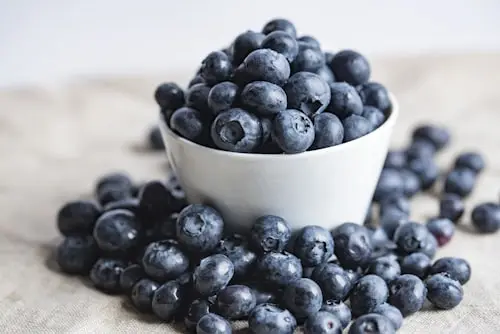
In recent years, researchers have started studying certain natural compounds found in blueberries, especially a group called anthocyanins. These compounds are known for their role in blood circulation, oxidative stress, and cellular protection — three factors many specialists consider important for eye and optic nerve health.
The optic nerve is made up of highly sensitive cells that depend on oxygen, nutrients, and healthy circulation to function properly. When these cells become weaker over time, the signal between the eye and the brain can begin to fail, which may contribute to gradual vision loss.
This is why some researchers are studying how certain nutrients and natural compounds may help support eye circulation and protect optic nerve cells from oxidative stress — something that may be especially important for people with glaucoma and age-related vision problems.
This is an area of research that has been receiving growing attention because it focuses not only on symptoms or eye pressure, but also on the health of the cells inside the eye over time.
Real Stories from People Just Like You

Linda, 73
Columbus, Ohio
★★★★★"I remember when I first noticed something was wrong. I needed more light to read, and driving at night started to make me nervous. My doctor said we would keep an eye on my glaucoma, but I felt like my vision was slowly changing. After I started learning more about optic nerve health and what I could do daily to support my eyes, I began to notice small changes. Reading felt a little easier, and I didn’t feel as anxious in low light anymore. The best moment for me was when I realized I could see my grandkids’ faces more clearly again. That meant more to me than anything."

James, 58
Austin, Texas
★★★★★"I had never heard about any of this before. But after being diagnosed with glaucoma and noticing my vision getting blurrier, I started looking for ways to protect my eyesight. One night I tried to read one of my favorite books and realized I was struggling with the words. That really bothered me. So I decided to start paying attention to what I was learning and actually apply it in my daily routine. After a few weeks, I noticed I wasn’t straining my eyes as much when reading, and that made a big difference for me. It made me feel like I was finally doing something to take care of my vision instead of just worrying about it."

Marcia, 64
Boulder, Colorado
★★★★★"My vision loss happened so slowly that I didn’t notice at first. But one day I realized I was squinting just to watch TV, and I had to turn the brightness all the way up. I had already tried glasses and different things over the years, so when I started reading about eye health and natural ways to support vision, I decided to give it a try and stay consistent with it. After some time, I noticed the colors on the TV looked clearer and my eyes didn’t feel as tired at the end of the day. It may sound like a small thing, but for me, that was a big deal. It gave me hope and made me feel more independent again."
Common Questions About This Discovery
Why haven’t I heard about this before?
Most glaucoma treatment focuses on eye pressure, which is important. But in recent years, some researchers and eye specialists have also been studying the health of the optic nerve itself — including circulation, oxidative stress, and cellular health. This is a newer area of research, which is why many people are only now starting to hear more about it.
Is this real or just another internet trend?
Many of the ideas discussed here are based on research about nutrition, circulation, and optic nerve health. Scientists have been studying how certain natural compounds — including those found in foods like blueberries — may support eye health and help protect the optic nerve over time.
How soon do people notice changes?
Everyone is different, but many people say the first things they notice are related to comfort — like less eye strain, clearer reading, or feeling more confident doing daily activities like reading or driving at night.
Can this still help if I’m older or already have glaucoma?
Many people looking into this are over 50, 60, or even 70 and have already been diagnosed with glaucoma. What researchers are studying is not just age, but the health of the optic nerve cells and the environment inside the eye — which may be important at many stages of life.
What should I do now?
If you want to understand how this research relates to vision, glaucoma, and optic nerve health, the next step is to watch the short educational presentation that explains how this works and what researchers have discovered.
Discover How to Safeguard Your Vision Today
Watch the Eye Health Video Now
Join thousands who have taken charge of their eye health.